

Olympic athletes with ADHD have something you don't
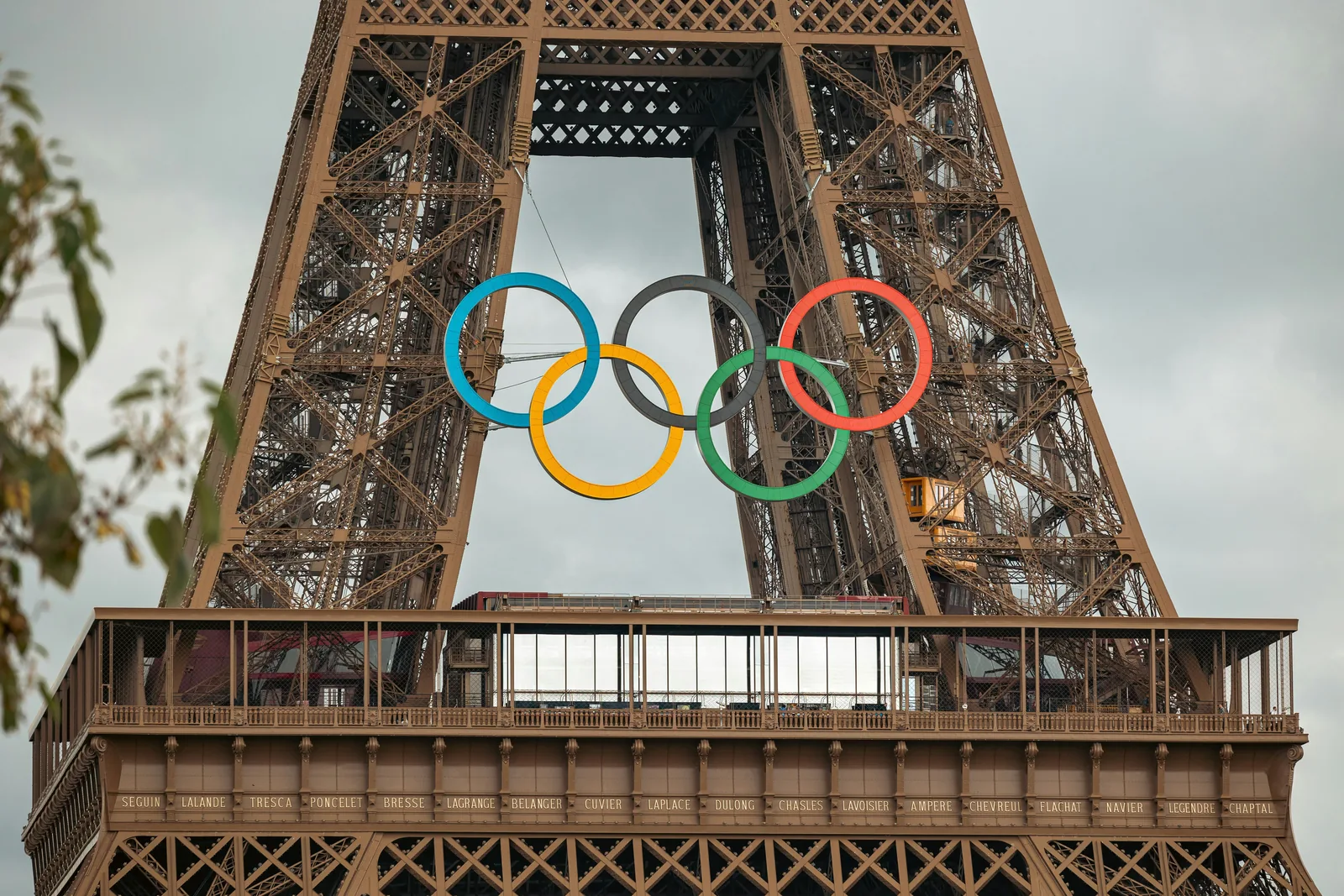
It’s been a few weeks since the closing of the 2024 Olympics in Paris. What caught my attention this year wasn’t just the athletic feats, but how many Olympians came out as ADHDers.
Folks like Simone Biles, Michael Phelps, and others have openly talked about their ADHD diagnoses and how it shaped their athletic careers. Far from holding them back, many of them seem to have succeeded because of ADHD, not in spite of it.
I think that’s largely true. A brain that wants intensity does well somewhere that supplies it constantly, and elite sport is about as high-stimulation an environment as exists.
But there’s a second thing these athletes have, and it never makes the headline. It’s also why “be more like an Olympian” turns out to be poor advice for anyone running a company.
ADHD advantages in sports
Just like with entrepreneurs, ADHD seems to be more common among elite athletes compared to the general population. One review found ADHD rates of at least 8% in college and elite athletes versus about 2.5% in adults overall. The actual numbers could be even higher, as many athletes are undiagnosed or don’t disclose their condition.
So why does ADHD seem to give some athletes an edge? Several ADHD traits can become an athletic advantage:
Hyperfocus: While ADHD is often described as difficulty maintaining attention, all of us ADHDers also experience intense hyperfocus on tasks we find interesting. For athletes, this can mean laser-like concentration during competition and training.
Olympic marathon runner Molly Seidel describes it this way: “ADHD honestly does feel like [a superpower] a little bit, especially in something like the marathon, because you’re having to focus on a really intense thing for a long time. I feel like I’m able to lock in in a way that I don’t know I could without ADHD.”
I experience this myself when rock climbing, a sport often associated with thrill-seekers. Far from being hyped on adrenaline, I feel calm, composed, and 100% focused on making the next move in a way that feels almost superhuman.
High Energy: The hyperactivity of ADHD can fuel athletes through grueling training regimens. What might seem like “too much” energy in a classroom becomes an asset for sports requiring stamina and drive.
Risk-Taking: Impulsivity and willingness to take risks—often seen as ADHD downsides—can benefit athletes in split-second decision-making during competition.
As clinical psychologist Scott Kollins says, “You have people who are willing to do things others wouldn’t, take some risks, whether it’s with their time or pushing themselves harder.”
Thriving Under Pressure: Many with ADHD perform best in high-intensity situations.
The adrenaline and pressure of elite competition can help focus the ADHD brain. Paralympic gold medalist Allysa Seely admits, “That’s when I feel like I operate the best—it’s like everything is high stress, high stakes, and I’m just like, ‘All right, let’s do this.’”
Creativity: The non-linear thinking common in ADHD can also lead to creative problem-solving and unique approaches in sports strategy and technique.
For many athletes, traits that are expensive everywhere else are genuinely useful here. Same wiring, different setting. Olympic shot put champion Michelle Carter says, “My path is different, but I wouldn’t change it because I just think that it’s part of my creativity and it’s part of my personality—I think it adds that flair to my life.”
Managing the challenges
Of course, ADHD isn’t all positive. The same traits that give athletes advantages, can also create challenges if not managed. Which might include:
- Poor organization and time management
- Inconsistent performance
- Impulsivity leading to risky decisions
- Emotional reactivity affecting relationships
- Struggles with attention outside of sports
These aren’t different traits from the ones in the last section. They’re the same ones, on a different day.
Plus, ADHD is often accompanied by other conditions like anxiety, depression, and eating disorders. The intense focus on athletic goals can sometimes hide these issues until injury or retirement brings them to the surface.
For female athletes, ADHD can manifest differently than the stereotypical hyperactive presentation. They are more likely to have inattentive-type ADHD, which can look like disorganization, procrastination, or perfectionism. This, combined with societal conditioning to mask symptoms, means many female athletes go undiagnosed for years.
Seidel, for instance, wasn’t diagnosed until her mid-20s, after already becoming an NCAA champion and Olympian. “I thought, I can’t have ADHD, I’m not like that,” she says about her initial reaction.
What holds it together
Here’s how this gets managed at the elite level. Read the list and notice how little of it the athlete is doing alone:
Medication: Stimulant medications like Adderall and Ritalin can be highly effective in managing ADHD symptoms. However, their use in competitive sports is complicated. Many sporting bodies ban stimulants without a Therapeutic Use Exemption, and some athletes worry the drugs will dull their competitive edge.
Seidel found medication “life-changing” initially but ultimately stopped taking it for competition. “For me, I feel like it takes away a little bit of what allows me to get into that zone that I need to perform at a world-class level,” she explains.
Non-Medication Approaches: Many athletes find success with non-pharmaceutical treatments like cognitive behavioral therapy, mindfulness techniques, and specialized ADHD coaching. Technological aids like the FDA-approved EndeavorRx video game for ADHD are also becoming more common.
Lifestyle Management: Creating structure, using organizational tools, and prioritizing sleep and nutrition can help athletes manage ADHD symptoms.
Building a Support System: Open communication with coaches, teammates, and medical staff about ADHD challenges and needs is vital.
Embracing Strengths: Rather than trying to “fix” ADHD, many successful athletes learn to lean into their unique cognitive style while developing strategies to mitigate downsides.
What the athletes actually have
Read that list again. A coach. A training schedule someone else built. A strength trainer, a nutritionist, a medical team. A season with a defined peak and a defined off-season. Teammates who notice when something is off before you do.
That’s scaffolding, and it supplies regulation from the outside. It isn’t a nice-to-have arranged around the talent. It’s what makes the talent usable on a Tuesday when it doesn’t turn up by itself.
Which is why the advice doesn’t transfer. You have a calendar you built yourself, no coach, no off-season, and nobody whose job it is to notice. Your environment isn’t reliably high-stimulation either—a lot of your week is admin, waiting, and meetings that could have been email. The setting that made the wiring an advantage isn’t the setting you work in.
And there’s a line worth sitting with: the intense focus on athletic goals can hide anxiety, depression and disordered eating until injury or retirement brings them to the surface. When the scaffolding comes away, you find out what it was holding up.
So the useful question isn’t how to turn your ADHD into an advantage. It’s what your version of the coach, the schedule and the off-season looks like—because most senior people I work with are running on the talent alone and reading the bad weeks as a character flaw.
That gap between the good weeks and the bad ones is the actual subject. I wrote about it in Your ADHD isn’t a superpower or a disability. It’s high-variance.